
THEMATIC AREA
Architecture of the humanitarian system
In humanitarian crises, a complex machinery comes into play. This section explains how the architecture of the humanitarian system is organised: its actors, how they coordinate, how the response is funded and how it is activated in emergencies.
4
pages
Who does what in the humanitarian system?
Behind every emergency response lies a network of highly diverse organisations with specific mandates and missions. These organisations must coordinate to avoid duplication, fill gaps and reach the most vulnerable people.
This section explains who these actors are, what roles each of them plays, and what coordination mechanisms they use to work together, as well as their limitations.
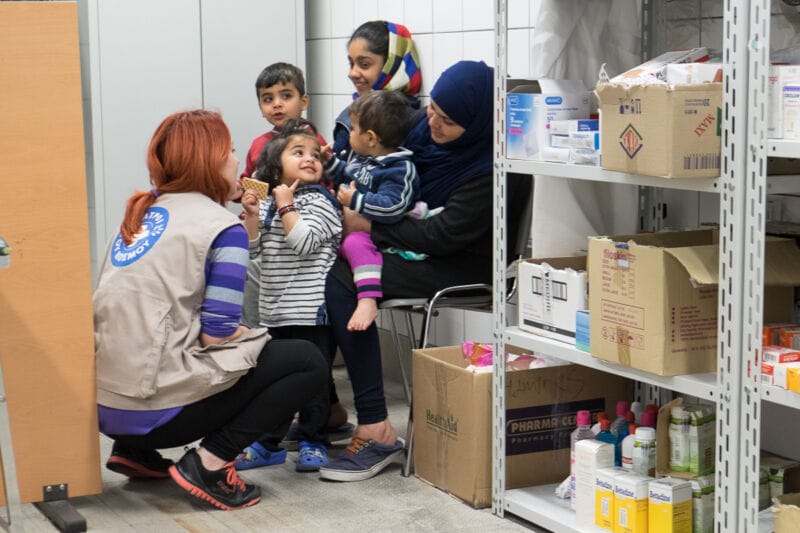
- National authorities bear primary responsibility for the humanitarian response in their territory. Other actors step in when their capacities are overwhelmed.
- The humanitarian system includes UN agencies with a humanitarian mandate (UNHCR, UNICEF, WFP…), local and international NGOs, the Red Cross and Red Crescent Movement, and governmental donors, among others. All have very different roles, resources and levels of independence.
- Local and national NGOs typically receive a minimal fraction of direct funding and remain subordinate actors in a system that has yet to complete its shift towards localisation.
13-minute read
→ Read more.
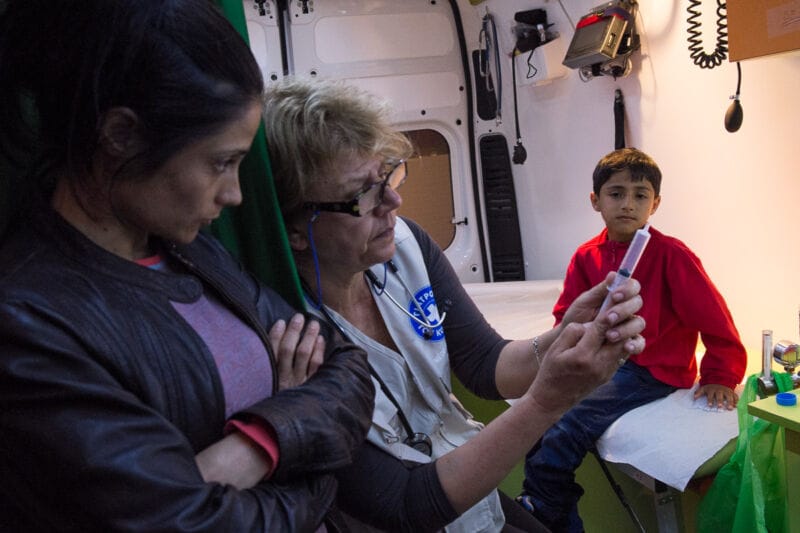
- The global humanitarian coordination framework, established in 1991, organises the response around the Emergency Relief Coordinator, the IASC and OCHA, mirrored at national level by the Humanitarian Coordinator and the Humanitarian Country Team.
- The cluster system groups humanitarian actors by sector (health, nutrition, protection, WASH…), at both global and national level.
- The 2026 Humanitarian Reset has introduced changes to these mechanisms, reducing the number of clusters, introducing the Area-Based Coordination (ABC) model as a complement to the cluster system, and establishing the co-leadership and co-coordination of local and national actors as the new default standard.
11-minute read + 1 AI-assisted reflection question
→ Read more.
What determines the scale and speed of a humanitarian response?
When an emergency occurs or a humanitarian crisis deteriorates, the system must mobilise quickly and with sufficient capacity to respond proportionally to needs. Two factors largely determine this response: humanitarian funding — how much money is available, where it comes from and how quickly it arrives — and the mechanisms that activate and set the system in motion within the existing coordination framework. This activation, in turn, will help determine the scale of humanitarian needs and the volume of funding required to address them.

- Historically, 80% of humanitarian funding has come from voluntary contributions by donor countries, reaching an all-time high in 2022 estimated at 43.3 billion dollars.
- Between 80% and 90% of funding is restricted to predefined projects, more than 60% goes directly to UN agencies, and barely 1% reaches local NGOs directly.
- In 2025, the United States and other donor countries drastically cut their contributions, triggering an unprecedented humanitarian funding crisis, with direct and documented consequences for food insecurity, supply shortages and programme closures worldwide.
12-minute read + 1 AI-assisted reflection question
→ Read more.

- In the first 48 hours, OCHA presents an initial assessment to the IASC and its Emergency Relief Coordinator, who decides whether to activate the humanitarian system at scale and which coordination mechanisms to establish, including which clusters to activate.
- Within the first five days, a Flash Appeal is published; a document describing the scope of the emergency, priority actions, and an initial estimate of the resources required. From there, the response is progressively built up through multisectoral assessments and revised action plans.
- The Humanitarian Needs Overview (HNO) and the Humanitarian Response Plan (HRP) are developed in a coordinated manner across all clusters and guide both the response and resource mobilisation.
4-minute read
→ Read more.
What else do I need to know to understand how the humanitarian system works?
The architecture of the humanitarian system has evolved over time and will continue to do so. Understanding the reasons behind these transformations helps to make sense of why the system is the way it is today and in which direction it may continue to change.
Additionally, if you are interested in the ethical and legal framework underpinning all of the above (humanitarian principles, international humanitarian law and the dilemmas they raise in practice), you will find that foundation in the fundamentals of humanitarian action and in standards, good practices and dilemmas. If you want to go deeper into how concrete interventions are designed, implemented and evaluated, the natural next step is to explore the humanitarian project cycle. Finally, it is also worth understanding that cross-cutting issues such as gender, protection and mental health run through everything described here.