THEMATIC AREA
Cross-cutting issues in humanitarian action
Gender, environment, protection, mental health, disability... Some issues must be addressed in any humanitarian intervention. This section explains what these cross-cutting issues are, why they are a priority in modern humanitarian action and how to integrate them in practice.
4
pages
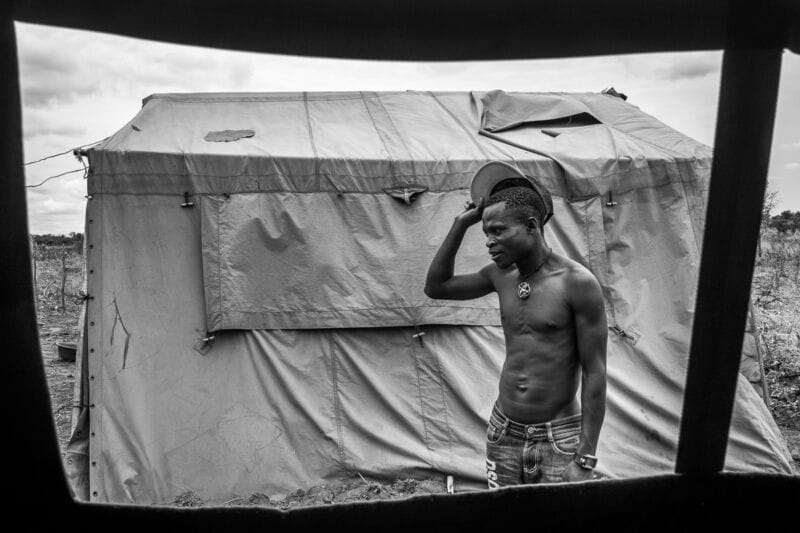
1 in 5 people affected by conflicts and emergencies find that their suffering makes it harder to function, survive and support their families and communities. Responding to these needs requires a cross-cutting and multi-sectoral approach to mental health and psychosocial support (MHPSS).
→ Read more.

Humanitarian crises affect women, girls, men, and boys unequally, as a result of pre-existing inequalities in power, opportunities, and privileges. Integrating a gender perspective into humanitarian action helps address those needs, reduce inequalities, and transform the root causes that gave rise to them.
→ Read more.

It is estimated that 80% of today's humanitarian crises have environmental factors among their triggering causes. When responding to emergencies, we must help prevent the environmental situation from deteriorating further and, in some cases, help reverse the problems that led to the crisis in the first place.
→ Read more.

People affected by humanitarian crises are exposed to numerous risks and threats, such as arbitrary detention, torture, attacks, gender-based violence, and others. For this reason, all organizations, across all sectors of intervention, have a responsibility to contribute to their protection.
→ Read more.