THEMATIC AREA
Infectious diseases in humanitarian contexts
Humanitarian crises increase the risk of infectious diseases, while eroding the ability to detect and respond to them. This section covers the major infections that threaten populations in emergencies, such as cholera, malaria, and tuberculosis, along with key tools to prevent, monitor, and control new epidemics.
7
pages
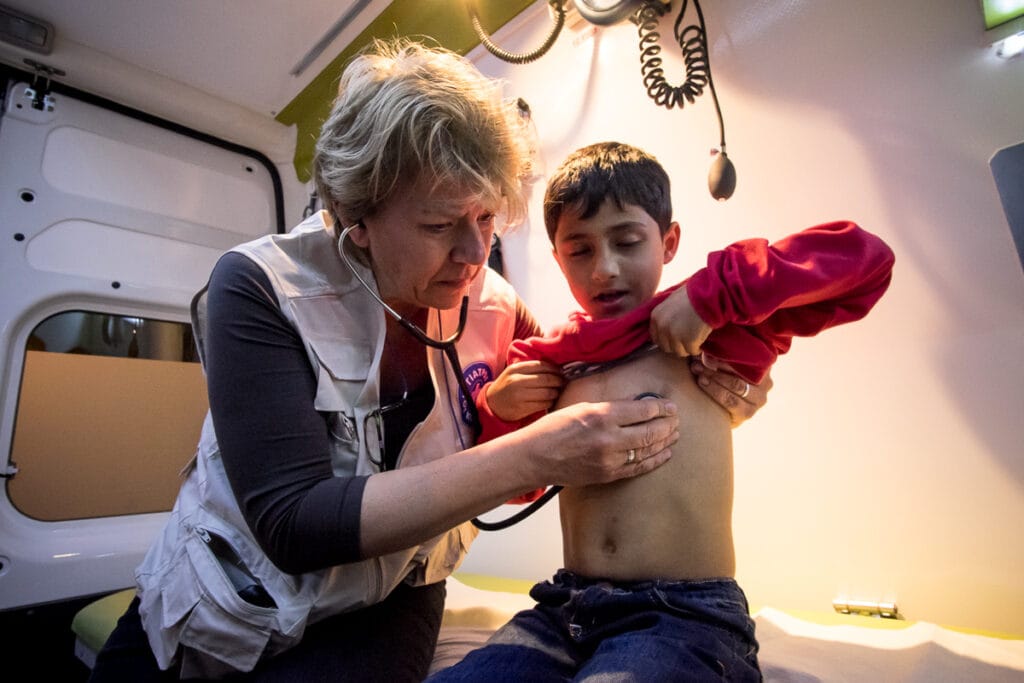
Since its beginning, the 21st century has witnessed a wave of major epidemics. Among the causes are demographic, technological, and climatic changes, but also the increase in the number, duration, and impact of humanitarian crises.
→ Read more.

Diarrheal diseases are one of the greatest threats to public health in humanitarian emergencies and one of the main causes of morbidity and mortality in children. Some have a significant epidemic potential, such as cholera or dysentery.
→ Read more.

Respiratory infections are the leading preventable cause of death in humanitarian and low-resource settings. Among these is tuberculosis, a disease that disproportionately affects the poorest populations.
→ Read more.

Malaria remains a public health threat today for the poorest, especially in sub-Saharan Africa. The use of new tools and strategies for its elimination will only achieve its objectives if there is a global commitment to embrace them.
→ Read more.

In humanitarian emergencies, access to vaccines and the ability to use them effectively is reduced. This is in addition to the increased transmission of infectious diseases that also occurs in these contexts.
→ Read more.

In humanitarian contexts, epidemiological surveillance systems can be fragile or damaged. Detecting and responding to an epidemic in these circumstances is more difficult than in any other setting.
→ Read more.

In 2009, an outbreak of influenza A (H1N1) put the entire planet on alert. Following this, there have been seven other declarations of a Public Health Emergency of International Concern for polio, Ebola, Zika virus, COVID-19, and mpox (monkeypox). What will be next?
→ Read more.