THEMATIC AREA
Sexual and reproductive health in humanitarian emergencies
In humanitarian crises, sexual and reproductive rights come under threat. This section brings together the normative frameworks, minimum response standards, and the main sexual and reproductive health challenges affecting populations in emergencies: from gender-based violence to maternal and neonatal health, including contraception, access to safe abortion, and menstrual health.
7
pages

The MISP establishes essential sexual and reproductive health actions and services in emergencies, aimed at reducing the risks of gender-based violence, unintended pregnancies, sexually transmitted infections, and maternal health complications.
→ Read more.

Gender-based violence in humanitarian crises is an extreme expression of pre-existing inequalities, exacerbated by the collapse of protection networks and, in conflicts, used deliberately as a weapon. This page analyses its causes, its forms, strategies for prevention, and minimum standards for response.
→ Read more.

Access to contraception in humanitarian crises is key to respecting the reproductive rights of girls and women. They must be able to freely decide whether or not they want to have children, how many, when, and how.
→ Read more.

From 1994 onwards, the sexual and reproductive health and rights of refugee women were placed on the global health and humanitarian action agenda. Yet for more than two decades since, safe abortion care in humanitarian contexts has lagged behind those advances.
→ Read more.

The challenge of addressing HIV/AIDS and other sexually transmitted infections in humanitarian crisis contexts remains fraught with financial, logistical, technical, and operational difficulties.
→ Read more.
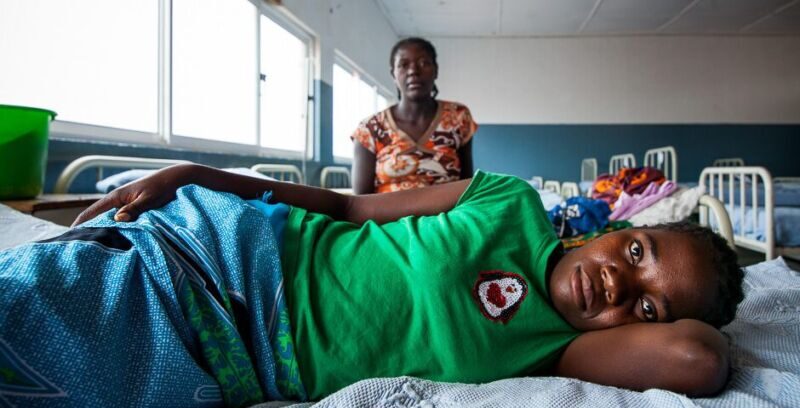
Despite progress in reducing maternal and neonatal mortality, deep inequities persist in conflict and humanitarian crisis settings. Protecting emergency obstetric and neonatal care and maternal wellbeing is a priority.
→ Read more.

Today, it is estimated that more than one-third of people who menstruate lack access to sanitary pads or other necessary materials, adequate information, privacy, and means to manage their hygiene with dignity, or health services to address their discomfort and pain.
→ Read more.