
THEMATIC AREA
History of humanitarian aid
The humanitarianism we know today is the result of decades of crises, mistakes, and reforms. This section traces the moments that have transformed the sector, from the origins of the Red Cross and international humanitarian law, through the First World War and the Second World War, to the humanitarian system reforms of the late 20th and early 21st centuries and the major humanitarian funding crisis of 2025.
7
pages
How was the international humanitarian system born and how did it grow?
Today's humanitarian action is the result of a long historical process. Throughout it, an organised system with international legal backing was built to reduce human suffering, founded on the altruism of specific individuals and the political will of certain governments.
Tracing this journey helps to understand why the humanitarian system was the way it was at the beginning of the 21st century. To do so, we start in antiquity, moving through the 19th century, analysing the growth of humanitarian action during the great conflicts of the 20th century, and pausing at the turning point represented by the Rwandan genocide in 1994.
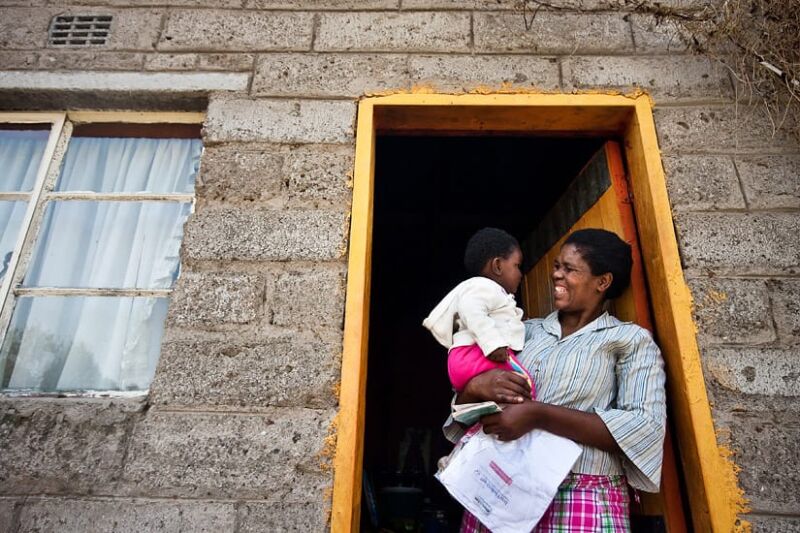
- There are very few records of organised humanitarian assistance before the 19th century, but the earliest initiatives focused on assisting people of the same nationality and were driven by religious or local motivations.
- 19th-century colonial humanitarian assistance did not stem from a rights-based approach, but from an interest in maintaining social order and political power.
- In 1859, Henry Dunant witnessed the Battle of Solferino and inspired the creation of the Red Cross with a simple question: would it be possible to form permanent relief societies in times of peace?
- In 1863 the ICRC was born, and in 1864 the first Geneva Conventions were signed, giving rise to International Humanitarian Law.
8-minute read
→ Read more.

- The First World War exposed the enormous humanitarian needs of the civilian population, until then ignored by a system focused on assistance to combatants.
- After 1945, the United Nations was created, along with its main humanitarian agencies (UNICEF, WHO, UNHCR, and WFP) and numerous NGOs.
- The Cold War limited the expansion of the system, but the Biafra war (1967) demonstrated the capacity of NGOs to intervene where the ICRC and the United Nations could not. MSF was born out of that conflict.
- In the 1990s, the end of the Cold War opened a new era of expansion and professionalisation of the humanitarian system.
10-minute read
→ Read more.
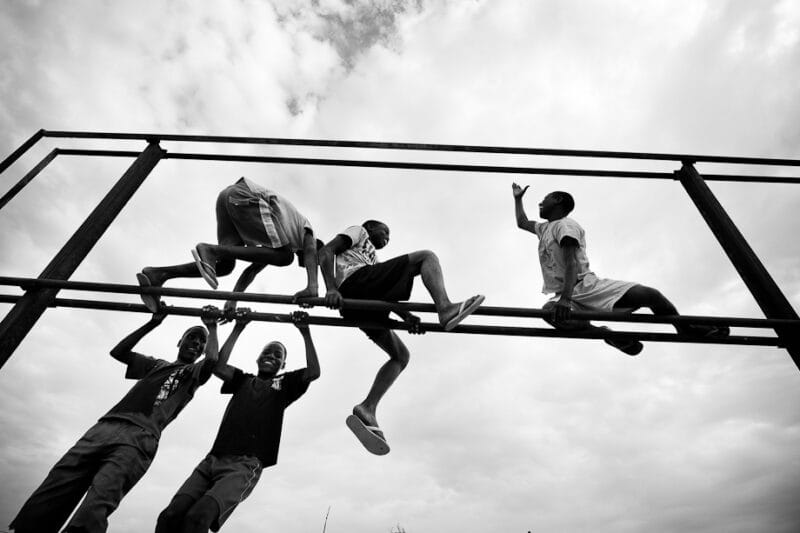
- In one hundred days, between 500,000 and 800,000 people were killed in a genocide that received no coherent response from the international community. The subsequent humanitarian crisis in Goma exceeded the capacity of the system.
- The joint evaluation of the response revealed critical failures in coordination, early warning, and accountability, catalysing far-reaching reforms.
- From that process came the Red Cross and NGO Code of Conduct, the Sphere Project, ALNAP, the Core Humanitarian Standard, and the transformation of the UN's DHA into OCHA.
- The crisis reopened unresolved debates about the principle of neutrality that remain open today.
20-minute read +1 AI-assisted reflection question
→ Read more.
How has the humanitarian system attempted to reform itself in the 21st century?
Following the major changes that emerged in the 1990s, the humanitarian system has sought to keep growing, improving and adapting to new complex humanitarian emergencies and migration crises, while at the same time the humanitarian space was narrowing and resources were increasing but not sufficiently.
During this period there have been multiple reform attempts that have transformed much of how the humanitarian system organises and coordinates itself in responses to crises, but which have not managed to overcome the limitations of its funding model or to distribute power and resources adequately among the organisations that make up the system. In 2025, the humanitarian system has also faced an unprecedented funding crisis.
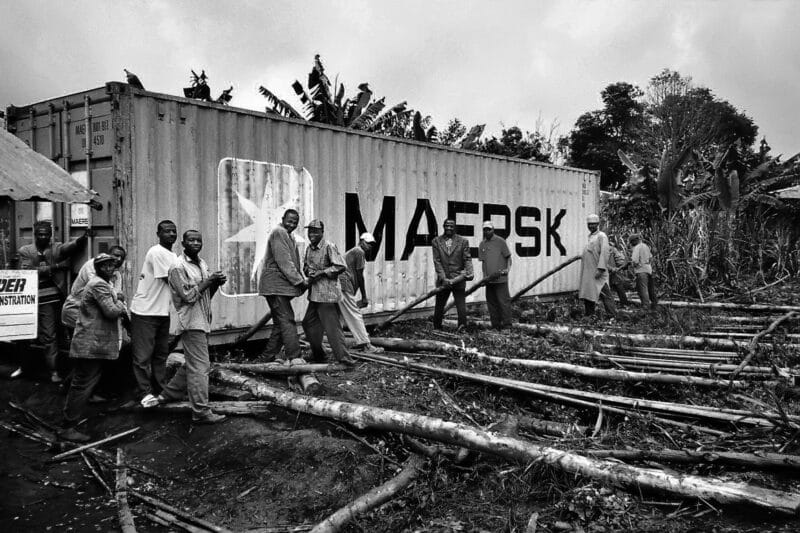
- After Rwanda (1994), a “new humanitarianism” emerged that was less neutral and more political, sparking an intense debate about the principles of aid.
- The 9/11 attacks and the “War on Terror” subordinated humanitarian action to the security agenda of donor powers.
- This instrumentalization led to a militarization of aid that eroded humanitarian neutrality and independence.
- The result was a reduced humanitarian space: attacks on aid workers, counterterrorism measures, and dependence on belligerent donors.
9-minute read + 1 AI-assisted reflection question
→ Read more.
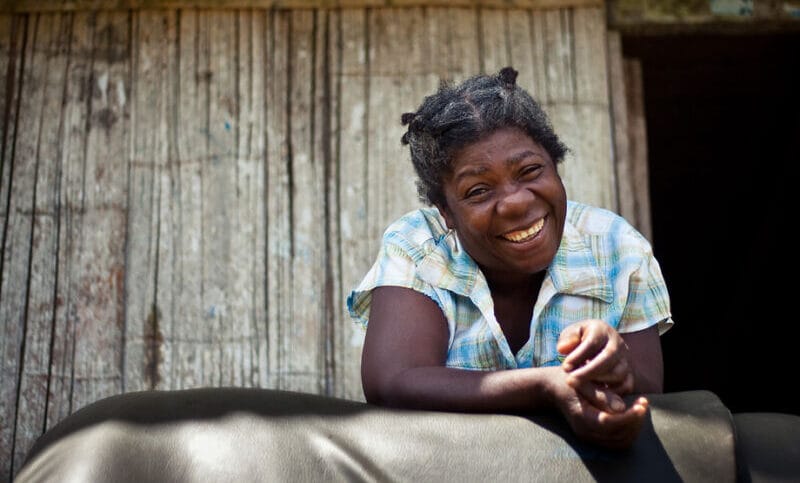
- Two opposite crises, the same failures: Darfur, forgotten and underfunded and with sectoral gaps that nobody took on, and the Indian Ocean tsunami, with record funding but no coordination.
- The Humanitarian Response Review, commissioned by Jan Egeland in 2005, identified the fragmentation of the system, the lack of sectoral leadership and funding that was late and inflexible.
- The reform transformed coordination and funding, with the cluster system adopted by the IASC and the conversion of the revolving fund into the CERF.
- It changed the architecture, not the fundamentals: there were improvements in coverage and predictability, but power became concentrated in the United Nations and local organisations were left on the margins.
16-minute read
→ Read more.
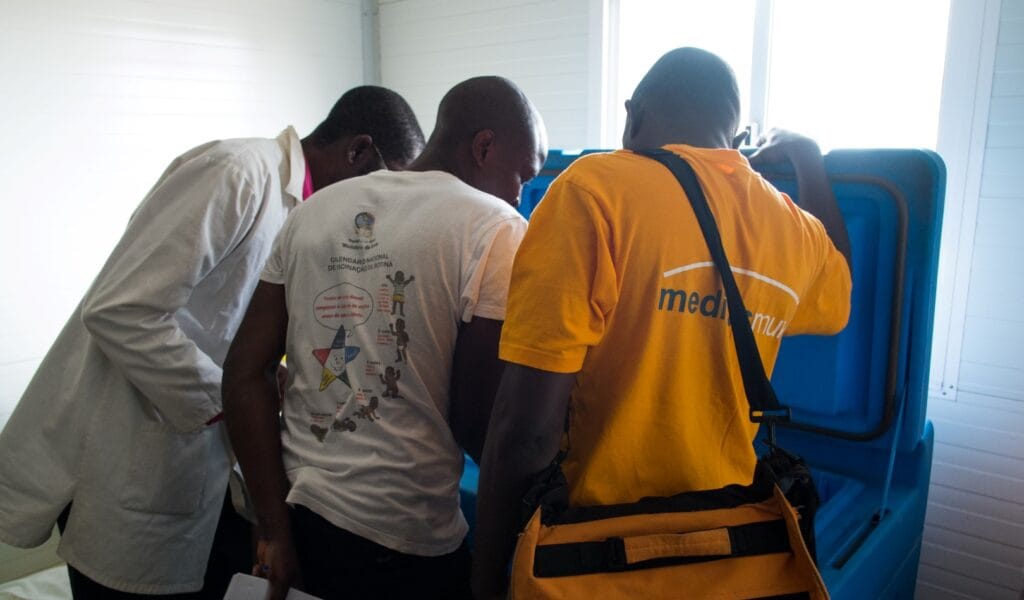
- In 2010, three overlapping crises overwhelmed a humanitarian system that was still absorbing the 2005 reform: the Haiti earthquake, the Pakistan floods and a cholera outbreak.
- The evaluations of the responses to these crises exposed failures in leadership, coordination, actor selection and accountability, with a slow and fragmented response despite the enormous mobilisation of actors and resources.
- The UN responded with the IASC's 2011 Transformative Agenda and its ten protocols, which strengthened leadership, coordination and the humanitarian programme cycle.
- However, the Transformative Agenda left unresolved the accountability to affected populations, the involvement of NGOs and local actors, and funding, consolidating an increasingly UN-centric system.
14-minute read
→ Read more.

- The 2016 World Humanitarian Summit launched an ambitious Agenda for Humanity that soon faded, leaving little standing beyond the humanitarian-development nexus and the Grand Bargain.
- The Grand Bargain brought 34 donors and organisations into a pact for better humanitarian financing that set a 25% target for local actors, but progressed unevenly and without deep change.
- National and local NGOs claimed their place in the system and drove community leadership through Global South networks such as NEAR, yet the power imbalance barely shifted.
- After the boom and the pandemic, the failure of the Flagship Initiative and the 2025 funding crisis —with the dismantling of USAID— forced the humanitarian system to contract and to «reset».
17-minute read
→ Read more.