
Non-communicable diseases in humanitarian crises
- Page updated onOctober 2, 2026
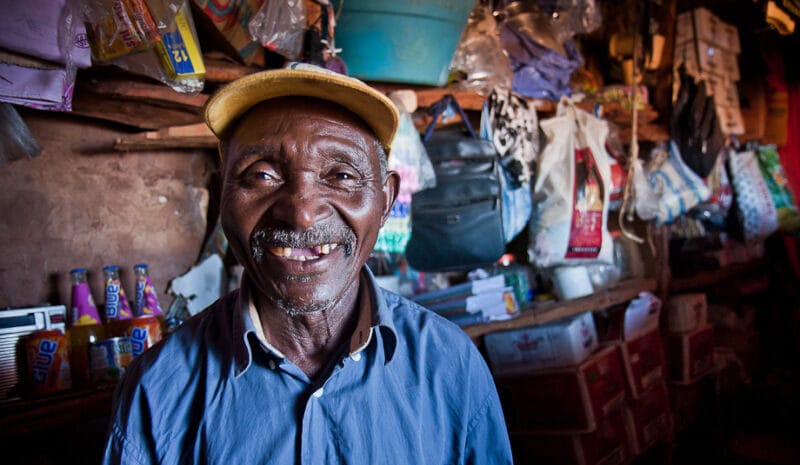
Non-communicable diseases (NCDs) cover a broad group of conditions such as diabetes, hypertension and other cardiovascular diseases, chronic respiratory diseases, kidney diseases, cancer, neurological conditions and other mental health problems.
They cause three out of every four deaths, most of them in low- and middle-income countries. And it is precisely in these countries that humanitarian crises are concentrated, and where managing NCDs remains a forgotten priority, making early diagnosis and continuity of care harder to achieve. Without this health care, chronic health problems turn into life-threatening emergencies that cause great suffering to those living with them.
Table of contents:
The importance of non-communicable diseases in humanitarian crises
The burden of non-communicable diseases in humanitarian emergencies appears to be growing, but it is hard to measure
Non-communicable diseases pose a global challenge. Worldwide, they are responsible for 75% of all deaths. Yet neither these conditions nor their consequences are evenly distributed: 82% of deaths from NCDs before the age of 70 occur in low- and middle-income countries (World Health Organization, 2025).
And in humanitarian crises? Quite simply, we do not know, or at least not with enough precision. For years it has been observed that morbidity and mortality from chronic diseases rise in these settings (Spiegel et al., 2010). Yet we only have figures from a handful of humanitarian crises, thanks to studies that have found an NCD prevalence of 21.8% among Syrian refugees in Jordan, or that show that a third of Syrian families displaced to Iraq had at least one member living with one of these conditions (Asgary et al., 2022).
Unfortunately, it remains a little-studied phenomenon. Compared with infectious diseases and malnutrition, historically regarded as the main health priorities in humanitarian action, NCDs have been pushed into the background. What is more, the situation in low-income countries is often wrongly equated with that of a displaced or conflict-affected population (Kehlenbrink et al., 2019).
In 2026, discussing the importance of NCDs in humanitarian settings still means relying on inference, without enough hard data to draw on. A few individual studies show higher prevalence of conditions such as diabetes or hypertension among displaced populations compared with non-displaced ones, or in populations previously studied before civil conflict broke out (Aoun et al., 2026). Even so, the quality of the evidence is low and it does not reflect the reality of all these conditions, nor that of settings in Africa and South America, which are less studied (Ngaruiya et al., 2022).
What there is clearer and more solid evidence for is the rise in risk factors for these chronic conditions, and the consequences of the lack of access to ongoing medical care in humanitarian crises.
People living with non-communicable diseases in humanitarian settings lack the ongoing care they need
The management of chronic conditions is not prioritised enough in many humanitarian settings, either by public authorities or by other humanitarian actors. Meeting these health needs requires a continuity of care that is often completely overlooked and interrupted as a result of conflict or the forced displacement of a population. There are numerous examples of this:
- In 2012, Mali saw a Tuareg rebellion in the north and a military coup in Bamako, which displaced almost half a million people. A local NGO working on diabetes reported that the crisis destabilised its patients' access to health services and medicines, and that the United Nations agencies organising the humanitarian response did not treat people in critical need of their treatment as a priority (Besançon et al., 2015).
- A 2012 study found that 18% of patients with diabetes in a Palestine refugee subpopulation in Jordan developed serious late complications (Khader et al., 2012), a sign of the breakdown in continuity of care.
- A review of 2015 records from health centres in the Sahrawi refugee camps, a population that had been living as refugees in Algeria for four decades, found that fewer than 10% of the blood pressure and capillary blood glucose readings recorded in patients with hypertension or diabetes fell within normal ranges (MSP Saharaui, 2015).
- In Syria, a country affected by a conflict that began in 2011, 60% of patients with diabetes who needed insulin in 2016 had no access to it. By 2024, the average availability of medicines for treating diabetes in public health services was just 34.1% (Aljadeeah et al., 2025).
- In April 2023, the conflict in Sudan triggered a major humanitarian crisis. Within a few months, most of the country's hospitals and dialysis centres had stopped functioning. As a result, an estimated 56.9% of patients who needed regular haemodialysis sessions were unable to keep them up. This left 65.2% developing medical complications and 62.7% experiencing clinically significant symptoms of anxiety (Idrees et al., 2025).
- In Gaza, in 2024, adherence to ongoing medical follow-up among patients with non-communicable diseases fell from 96.7% to 40.7%, and roughly one in four patients with type 1 diabetes or asthma went two or more consecutive months without access to their medication as a result of the war (Aldabbour et al., 2025).
Depending on the context, the lack of access to the health services needed to manage chronic conditions results from a range of factors. These include attacks on medical facilities and damage to infrastructure, the forced displacement of the population and of health workers, the impossibility of continuing to deliver the services available before the crisis, patients' lack of social protection, coordination problems between providers, and the disruption of supply chains for medicines, diagnostic tests and medical supplies (NCD Alliance, 2024). All of this threatens continuity of care for non-communicable conditions whose risk factors are also on the rise.
Risk factors for chronic conditions multiply in conflicts and displaced populations
Humanitarian crises also severely affect the social determinants of health and exposure to risk factors for non-communicable diseases:
- Stress and anxiety. People affected by humanitarian crises are heavily exposed to social problems and sources of stress: the loss of loved ones, homes and livelihoods, family separation, displacement, fear, lack of resources, violence and even torture. As a result, it is common for them to experience anxiety, stress, sadness, loss of hope, difficulty sleeping and irritability. Many of these problems worsen the prognosis of chronic diseases while also reducing health-seeking behaviour and treatment adherence (Gyawali et al., 2021).
- Alcohol and tobacco use. Heightened stress and the absence of measures to prevent and control alcohol and tobacco use in humanitarian settings make such consumption more likely (UNODC, 2023). Unfortunately, these harmful habits are well-established risk factors for cardiovascular disease, chronic lung disease, type 2 diabetes, several types of cancer and liver disease.
- Unhealthy diets. Access to food that is varied and of good quality is essential to preventing and managing diabetes, hypertension and cardiovascular disease. In humanitarian emergencies, however, it is often erratic and inadequate (Aebischer Perone et al., 2017). What is more, when a population depends on food assistance provided by humanitarian organisations, it sometimes receives rations that are insufficient, of poor quality and lacking in diversity, kept unchanged for long periods of time (FAO et al., 2026).
- Lack of opportunities for physical activity. In protracted humanitarian crises such as the Sahrawi refugee camps in Algeria, almost half of people do less physical activity than recommended, despite being aware of its benefits (Andersen et al., 2021). This is a population in which earlier studies had found that 53.7% of women were overweight or obese, and 71.4% had central obesity (Grijalva-Eternod et al., 2012).
- Gender inequality. The previous example illustrates a wider reality: traditional gender roles, lack of education and women's low socioeconomic and political status in many humanitarian and low-resource settings all affect women's ability to prevent non-communicable diseases (NCD Alliance, 2019).
- Poverty. Although the focus has often been placed on "lifestyle" as a risk factor, we now know that many of the risk factors for non-communicable diseases are themselves shaped by a lack of income. People living in poverty have fewer opportunities to exercise, eat a healthy diet and adopt behaviours that would help them prevent these conditions (Manderson & Jewett, 2023).
These and other factors are, in turn, drivers of the metabolic changes that raise the risk of non-communicable diseases: raised blood pressure, overweight and obesity, raised blood glucose and abnormal blood lipid profiles.
Challenges in preventing and managing specific non-communicable diseases in humanitarian settings
The terms chronic diseases and non-communicable diseases cover a wide variety of conditions and health problems. Although some of the risk factors and the obstacles to continuity of care are common to all of them, each poses specific challenges for prevention, diagnosis and treatment in humanitarian emergencies.
Managing diabetes in humanitarian emergencies is complicated by food insecurity and lack of medication
Diabetes is a chronic disease that occurs when the body cannot produce or use insulin, a hormone made in the pancreas that allows glucose in the blood to enter the cells and be used as energy. As a result, blood glucose rises, which can eventually damage the kidneys, the nerves, the heart or the eyes. People with diabetes may need to take antidiabetic medicines every day.
Among the factors that increase the risk of diabetes in humanitarian crises, one that stands out is the demonstrated effect of stress on the release of hormones that push glucose into the bloodstream even when no food has been eaten. Some studies have also shown that malnutrition during the fetal period and early childhood is associated with glucose intolerance and hyperglycaemia in adult life (Ngaruiya et al., 2022).
Managing and controlling diabetes can also be especially difficult for people living in food insecurity, who are therefore forced to cut down portions, skip meals or rely solely on staple foods such as bread. Added to this are the difficulties in being seen at health centres with well-trained staff and at an affordable cost, in monitoring blood glucose at home with test strips and glucometers, or in obtaining antidiabetic medicines (Ngaruiya et al., 2022). Chief among these is insulin, a medicine that is not only expensive but also requires a cold chain for storage and transport (Kehlenbrink et al., 2019).
In humanitarian emergencies, adequate diabetes management must be included in the basic package of services, with a model adapted to the constraints the context imposes (Boulle et al., 2019). This may mean ensuring continuity of care for symptomatic cases in primary health care, prioritising treatment for high-risk people and pregnant women, until the situation allows service coverage to be expanded and patients to be given more education and tools to manage their own health.
Cardiovascular diseases in humanitarian settings are complicated by chronic stress and difficulties in using drug treatment
Cardiovascular diseases affect the heart and the blood vessels. The most common is coronary heart disease, which can cause angina and myocardial infarction. This group also includes heart failure, arrhythmias, congenital heart disease and strokes, among others.
Diabetes and hypertension, the main cardiovascular risk factors, are hard to control for people affected by humanitarian crises and heavily exposed to chronic stress, particularly in situations of conflict and forced displacement. In the case of hypertension, for example, treatments are inexpensive but are often interrupted, since it is usually an asymptomatic condition. In any case, this is a little-studied phenomenon, especially in Africa, and one rarely examined from the perspective of those living with it (Keasley et al., 2020).
Managing cardiovascular diseases is also difficult in many of these settings, when health workers do not know how to assess each patient's risk, are unable to give them the information they need, or are unclear about when and how to start drug treatment to lower blood lipids and cholesterol. Problems have also been identified around users' lack of trust in health workers who offer them treatment advice without any prior relationship, and where lifestyle change recommendations are seen as unrealistic given their current living conditions (Collins et al., 2017).
Chronic respiratory disease has a major yet little-studied impact in humanitarian settings
The term chronic lung disease covers several conditions. The most common are asthma and chronic obstructive pulmonary disease (COPD), a condition that includes chronic bronchitis and emphysema.
These conditions have a major impact on people living in low- and middle-income countries, owing to swings in temperature and humidity, poor air quality inside smoky, badly ventilated homes, tobacco use, and exposure to air pollution and extreme weather events (Boutros et al., 2024). On top of this, they lack sufficient access to health services for early diagnosis through questionnaires and spirometry and for treatment with medication and inhalers. All of this becomes even harder in humanitarian settings, where alongside the worsening of the usual risk factors, new ones may appear, such as exposure to chemical weapons (Ngaruiya et al., 2022).
Kidney disease in humanitarian settings faces the challenge of ensuring access to dialysis
Kidney diseases are a group of highly prevalent non-communicable diseases that can progress to kidney failure. When this happens, the patient can only survive with a kidney transplant or with dialysis: either haemodialysis or peritoneal dialysis.
Haemodialysis is a treatment usually delivered in hospitals or dialysis centres that requires a specific machine and several sessions a week, each lasting several hours. In humanitarian emergencies, access to electricity, clean water, sterile medical supplies and haemodialysis services with trained staff can be interrupted. When this happens, even for just a few days, the lives of the patients who depend on it can be at risk (Sharma et al., 2025).
One alternative to haemodialysis in natural disasters and humanitarian emergencies is peritoneal dialysis, since it can be used in collective shelters and in patients' own homes (Sharma et al., 2025). This treatment uses the patient's peritoneum as a filter, so the equipment needed is simpler and patients can carry it out themselves once they know how. Yet it is available in only 32% of low-income countries, despite being where it could be needed most (Bello et al., 2022). It also requires suitable conditions at home: clean water and hygiene, electricity and a reliable home supply of dialysis solutions. Without these, peritoneal dialysis can increase the risk of peritonitis and lead to worse outcomes than haemodialysis (Gorbatkin et al., 2020).
Cancer poses a major threat in humanitarian crises because of the lack of diagnostic and treatment capacity
Cancer is a disease that occurs when some of the body's cells grow abnormally and spread to other parts of the body. As they invade tissues and organs, they damage them. There are many types of cancer, depending on the cells affected and the organ or organs where they are located. Depending on this and on the stage, diagnosis and treatment can be more or less complicated. Some cancers can be removed surgically, but many cases may require a combination of treatments such as chemotherapy and radiotherapy. Some cancers are compatible with life for a long time, while others involve rapid deterioration and great suffering, and can cause death quickly.
Although cancer prevalence is rising globally, it remains a serious problem that is little studied and poorly understood in humanitarian settings. Unlike other non-communicable diseases, the major challenges in managing this group of conditions begin long before the obstacles to continuity of care. As a result of attacks on health facilities and the disruption of essential health service delivery, a cancer diagnosis, if it comes at all, comes late. This makes it harder to control the progression of the disease, narrows the treatment options and drives up the cost of treatment to a level that most people in these circumstances cannot afford (Alawa et al., 2019).
The lack of diagnostic and treatment capacity for cancer is common in many low-resource countries even before a humanitarian crisis strikes. An assessment of breast cancer control capacity carried out in 2022 across 42 African countries found that only 20 had specialised cancer treatment centres, that 18 had no radiotherapy services, and that there was a widespread shortage of doctors specialising in oncology (WHO AFRO, 2024).
On top of all this, in humanitarian settings it is difficult and expensive to secure referral to an accessible higher level of care (Spiegel et al., 2014). Nor is there usually the capacity to guarantee palliative care that can relieve the physical, spiritual and psychological suffering of patients and their families, as they watch the cancer progress towards an incurable stage.
Epilepsy and mental health must be addressed within both medical care and the psychosocial dimensions of humanitarian action
Alongside mental health problems such as anxiety, depression or post-traumatic stress disorder, which may require medical care and psychosocial support, there are also significant neurological conditions that cause great suffering to those living with them in humanitarian crises. Epilepsy stands out among them: a condition characterised by the repeated and unpredictable occurrence of bursts of electrical activity in the brain, which can cause convulsions, unusual sensations, falls and loss of consciousness. It is the most common neurological disorder among displaced people and refugees (Hafsa et al., 2023).
Epilepsy and other neurological disorders often require specialised diagnosis and medication that are hard to access in humanitarian settings. If those living with them do not have the ongoing treatment they need, they are left exposed to uncontrolled seizures and other complications, compounded by the stigma frequently attached to these conditions and by the wider impact of displacement and violence (Hafsa et al., 2023).
It is a priority to include the management of mental health and neurological problems in all health services, and to maintain it during emergencies. Addressing them also requires mental health and psychosocial support to be properly integrated across all sectors of humanitarian action.
Progress in addressing non-communicable diseases in humanitarian settings
Over the years there has been considerable progress in bringing non-communicable diseases into the normative field and into global health and humanitarian policy (NCD Alliance, 2024). The following are worth highlighting:
- In May 2013, the World Health Assembly recognised the global burden of NCDs and adopted a global monitoring framework and a global action plan for their prevention and control 2013-2020 (WHO, 2013).
- In 2016, the global importance of NCDs was underlined in the Sustainable Development Goals. That same year, the commitments made at the World Humanitarian Summit opened the way to better aligning the goals of development cooperation and those of humanitarian action, helping to overcome the false dichotomy between saving lives and relieving suffering, at least on paper (NCD Alliance, 2024).
- The United Nations and the World Health Organization have also renewed the push for NCD prevention and control in declarations issued in 2018 (UN GA, 2018), 2022 and 2025. These declarations also addressed the need to integrate this approach into humanitarian action and across all its response frameworks (UN GA, 2025).
Alongside these political declarations, important new tools and technical guidance have been developed to integrate services for the prevention and control of chronic diseases into humanitarian action. The most notable are the following:
- In 2010, the package of essential NCD interventions for primary health care (PEN) was published, pointing the way to better coverage of these services, particularly in resource-limited settings. The package was updated again in 2020 (World Health Organization, 2020).
- In its 2011 edition, the Sphere Handbook covered services for managing NCDs for the first time, with the focus on stabilising patients (Aebischer Perone et al., 2017). In 2018 this section was expanded, going as far as to suggest that in humanitarian crises a baseline estimate of 15-30% prevalence for hypertension and 5-20% for diabetes could be used as a starting point. The section also recommended treating people with severe asthma or insulin-dependent diabetes as having priority needs. A new section was added as well to address the need for palliative care (Sphere Association, 2018).
- In 2016 WHO published the NCD kit, updated again in 2022. This tool sets out a reference list of the medical products needed to treat these conditions in emergency settings (WHO, 2024).
- In 2020, UNHCR and partners published the first operational guide on ensuring quality medical care for people with NCDs in humanitarian settings (UNHCR et al., 2020). That same year, the IRC also published a package of essential NCD interventions for humanitarian settings, adapting the PEN. This guide also included information and technical guidance on the role of community health workers in health promotion and the ongoing follow-up of patients (IRC, 2020).
- In 2024, the Global Health Cluster defined a package of high-priority health services for humanitarian response (the H3 package) in humanitarian crises and protracted emergencies. This package, which can be adapted to each context, includes the management of multiple NCDs and palliative care (WHO & GHC, 2024).
Despite this progress, the needs of people living with chronic diseases are still not adequately met in humanitarian settings. Beyond the lack of services, it remains a little-studied problem in the humanitarian emergencies that occur in the poorest countries. There, more and better evidence is still needed to help adapt programmes that can guarantee continuity of care over the long term (Asgary et al., 2022).
References
- Aebischer Perone, S., Martinez, E., du Mortier, S., Rossi, R., Pahud, M., Urbaniak, V., Chappuis, F., Hagon, O., Jacquérioz Bausch, F., & Beran, D. (2017). Non-communicable diseases in humanitarian settings: Ten essential questions. Conflict and Health, 11, Article 17. https://doi.org/10.1186/s13031-017-0119-8
- Alawa, J., Maiky, C., Khoshnood, K., & Fouad, F. M. (2019). Cancer prevention and treatment in humanitarian settings: An urgent and unmet need [Comment]. The Lancet Oncology, 20(12), 1635–1636. https://doi.org/10.1016/S1470-2045(19)30676-X
- Aldabbour, B., Barakat, Y., Elamassie, S., Hmeid, F., Dughmoush, M., Al-Rantisi, M., Abu-Helal, D., Barakat, L., Bader, D., & Kwaik, A. (2025). War and chronic illness: A health center-based study of Palestinians with non-communicable diseases in Gaza. Conflict and Health, 19, Article 36. https://doi.org/10.1186/s13031-025-00679-9
- Aljadeeah, S., Tarrafeta, B., Fahed, S., Kielmann, K., & Ravinetto, R. (2025). Access to essential medicines for noncommunicable diseases during conflicts: The case cardiovascular diseases, diabetes and epilepsy in Northern Syria. PLOS Global Public Health, 5(12), Article e0004744. https://doi.org/10.1371/journal.pgph.0004744
- Andersen, E., Kjellså, I., Hjellset, V. T., & Henjum, S. (2021). Insufficient physical activity level among Sahrawi adults living in a protracted refugee setting. BMC Public Health, 21, Article 166. https://doi.org/10.1186/s12889-021-10217-w
- Aoun, A., Bou-Karroum, L., Chidiac, N., Idriss-Wheeler, D., & El-Jardali, F. (2026). Public health interventions for non-communicable diseases (NCDs) in humanitarian emergencies: An overview of systematic reviews. BMC Public Health, 26, Article 592. https://doi.org/10.1186/s12889-026-26299-3
- Asgary, R., Garland, V., Ro, V., Stribling, J. C., & Waldman, R. (2022). A systematic review of effective strategies for chronic disease management in humanitarian settings; opportunities and challenges. Preventive Medicine, 161, Article 107154. https://doi.org/10.1016/j.ypmed.2022.107154
- Bello, A. K., Okpechi, I. G., Osman, M. A., Cho, Y., Cullis, B., Htay, H., Jha, V., Makusidi, M. A., McCulloch, M., Shah, N., Wainstein, M., & Johnson, D. W. (2022). Epidemiology of peritoneal dialysis outcomes. Nature Reviews Nephrology, 18, 779–793. https://doi.org/10.1038/s41581-022-00623-7
- Besançon, S., Fall, I.-S., Doré, M., Sidibé, A., Hagon, O., Chappuis, F., & Beran, D. (2015). Diabetes in an emergency context: The Malian case study. Conflict and Health, 9, Article 15. https://doi.org/10.1186/s13031-015-0042-9
- Boulle, P., Kehlenbrink, S., Smith, J., Beran, D., & Jobanputra, K. (2019). Challenges associated with providing diabetes care in humanitarian settings. The Lancet Diabetes & Endocrinology, 7(8), 648–656. https://doi.org/10.1016/S2213-8587(19)30083-X
- Boutros, P., Kassem, N., Boudo, V., Sié, A., Munga, S., Maggioni, M. A., Golec, M., Simion, R., Bärnighausen, T., Winkler, V., & Barteit, S. (2024). Understanding the risk factors, burden, and interventions for chronic respiratory diseases in low- and middle-income countries: A scoping review. Public Health Reviews, 45, Article 1607339. https://doi.org/10.3389/phrs.2024.1607339
- Collins, D. R. J., Jobanputra, K., Frost, T., Muhammed, S., Ward, A., Shafei, A. A., Fardous, T., Gabashneh, S., & Heneghan, C. (2017). Cardiovascular disease risk and prevention amongst Syrian refugees: Mixed methods study of Médecins Sans Frontières programme in Jordan. Conflict and Health, 11, Article 14. https://doi.org/10.1186/s13031-017-0115-z
- Food and Agriculture Organization of the United Nations, UNICEF, & World Food Programme. (2026, July 23). Food security and child nutrition crises persist in Gaza despite fragile gains due to increased humanitarian assistance and commercial traffic [Press release]. https://www.fao.org/newsroom/detail/food-security-and-child-nutrition-crises-persist-in-gaza-despite-fragile-gains-due-to-increased-humanitarian-assistance-and-commercial-traffic/en
- Gorbatkin, C., Finkelstein, F. O., & Kazancioglu, R. T. (2020). Peritoneal dialysis during active war. Seminars in Nephrology, 40(4), 375–385. https://doi.org/10.1016/j.semnephrol.2020.06.005
- Grijalva-Eternod, C. S., Wells, J. C. K., Cortina-Borja, M., Salse-Ubach, N., Tondeur, M. C., Dolan, C., Meziani, C., Wilkinson, C., Spiegel, P., & Seal, A. J. (2012). The double burden of obesity and malnutrition in a protracted emergency setting: A cross-sectional study of Western Sahara refugees. PLOS Medicine, 9(10), Article e1001320. https://doi.org/10.1371/journal.pmed.1001320
- Gyawali, B., Harasym, M. C., Hassan, S., Cooper, K., Boschma, A., Bird, M., Konradsen, F., Raju, E., & Tellier, S. (2021). Not an ‘either/or’: Integrating mental health and psychosocial support within non-communicable disease prevention and care in humanitarian response. Journal of Global Health, 11, Article 03119. https://doi.org/10.7189/jogh.11.03119
- Hafsa, H., Aamir, A., & Mansoor, T. (2023). Understanding the critical intersection between epilepsy and humanitarian crises: Strategies for overcoming challenges and enhancing accessibility to essential care. Neurosurgical Review, 46, Article 319. https://doi.org/10.1007/s10143-023-02231-w
- Idrees, M. H. D., Bashir, M. M. I., Mohamed, B. A. A., Ahmed, A. E. A., Abdalla, H. M. M., & Shaaban, K. M. A. (2025). April 15th war and hemodialysis patients in Sudan: A cross-sectional study. BMC Public Health, 25, Article 230. https://doi.org/10.1186/s12889-025-21369-4
- International Rescue Committee. (2020). Package of essential non-communicable diseases interventions for humanitarian settings (PEN-H). https://www.rescue.org/report/package-essential-non-communicable-diseases-interventions-humanitarian-settings-pen-h
- Keasley, J., Oyebode, O., Shantikumar, S., Proto, W., McGranahan, M., Sabouni, A., & Kidy, F. (2020). A systematic review of the burden of hypertension, access to services and patient views of hypertension in humanitarian crisis settings. BMJ Global Health, 5(11), Article e002440. https://doi.org/10.1136/bmjgh-2020-002440
- Kehlenbrink, S., Smith, J., Ansbro, É., Fuhr, D. C., Cheung, A., Ratnayake, R., Boulle, P., Jobanputra, K., Perel, P., & Roberts, B. (2019). The burden of diabetes and use of diabetes care in humanitarian crises in low-income and middle-income countries. The Lancet Diabetes & Endocrinology, 7(8), 638–647. https://doi.org/10.1016/S2213-8587(19)30082-8
- Khader, A., Farajallah, L., Shahin, Y., Hababeh, M., Abu-Zayed, I., Kochi, A., Harries, A. D., Zachariah, R., Kapur, A., Venter, W., & Seita, A. (2012). Cohort monitoring of persons with diabetes mellitus in a primary healthcare clinic for Palestine refugees in Jordan. Tropical Medicine & International Health, 17(12), 1569–1576. https://doi.org/10.1111/j.1365-3156.2012.03097.x
- Manderson, L., & Jewett, S. (2023). Risk, lifestyle and non-communicable diseases of poverty [Letter to the editor]. Globalization and Health, 19, Article 13. https://doi.org/10.1186/s12992-023-00914-z
- Ministerio de Salud Pública Saharaui. (2015). Plan estratégico de salud 2016-2020. https://msprasd.org/archivos_subidos/Plan_Estrategico_de_Salud_Saharaui_2016-20.pdf
- NCD Alliance. (2019). Delivering healthy lives and well-being for women and girls: Noncommunicable diseases and universal health coverage [Policy brief]. https://ncdalliance.org/resources/delivering-healthy-lives-and-well-being-for-women-and-girls
- NCD Alliance. (2024). Neglected and in crisis: NCDs as a priority in humanitarian settings [Policy brief]. https://ncdalliance.org/sites/default/files/resource_files/ncds_neglected_crisis-humanitarian_brief-2024.pdf
- Ngaruiya, C., Bernstein, R., Leff, R., Wallace, L., Agrawal, P., Selvam, A., Hersey, D., & Hayward, A. (2022). Systematic review on chronic non-communicable disease in disaster settings. BMC Public Health, 22, Article 1234. https://doi.org/10.1186/s12889-022-13399-z
- Sharma, S., Darwish, R., Kalra, S., & Karam, S. (2025). Dialysis in crisis: Delivering renal replacement therapy in disasters, conflicts, and resource-constrained settings. Journal of the Pakistan Medical Association, 75(10), 1646–1648. https://doi.org/10.47391/JPMA.25-79
- Sphere Association. (2018). Essential healthcare. In The Sphere handbook: Humanitarian charter and minimum standards in humanitarian response (4th ed.). https://handbook.spherestandards.org/en/sphere/#ch009_004
- Spiegel, P. B., Checchi, F., Colombo, S., & Paik, E. (2010). Health-care needs of people affected by conflict: Future trends and changing frameworks. The Lancet, 375(9711), 341–345. https://doi.org/10.1016/S0140-6736(09)61873-0
- Spiegel, P., Khalifa, A., & Mateen, F. J. (2014). Cancer in refugees in Jordan and Syria between 2009 and 2012: Challenges and the way forward in humanitarian emergencies [Policy review]. The Lancet Oncology, 15(7), e290–e297. https://doi.org/10.1016/S1470-2045(14)70067-1
- United Nations General Assembly. (2018). Political declaration of the 3rd High-Level Meeting of the General Assembly on the Prevention and Control of Non-Communicable Diseases (Resolution A/RES/73/2). https://digitallibrary.un.org/record/1648984
- United Nations General Assembly. (2025). Political declaration of the fourth High-Level Meeting of the General Assembly on the Prevention and Control of Noncommunicable Diseases and the Promotion of Mental Health and Well-Being (Resolution A/RES/80/117). https://digitallibrary.un.org/record/4097012
- United Nations High Commissioner for Refugees, International Rescue Committee, & Informal Inter-Agency Group on NCDs in Humanitarian Settings. (2020). Integrating non-communicable disease care in humanitarian settings: An operational guide. https://www.unhcr.org/media/integrating-non-communicable-disease-care-humanitarian-settings-2020-pdf
- United Nations Office on Drugs and Crime. (2023). Substance use disorders in humanitarian settings. In World Drug Report 2023 (pp. 99–114). United Nations. https://www.unodc.org/res/WDR-2023/WDR23_B3_CH5_substance_use.pdf
- World Health Organization. (2013). Global action plan for the prevention and control of noncommunicable diseases 2013-2020. https://www.who.int/publications/i/item/9789241506236
- World Health Organization. (2024). WHO noncommunicable disease kit (NCDK) 2022 [Information note]. https://cdn.who.int/media/docs/default-source/documents/emergencies/information-note-ncd-kit.pdf?sfvrsn=9cda0821_3
- World Health Organization. (2025, September 25). Noncommunicable diseases. https://www.who.int/news-room/fact-sheets/detail/noncommunicable-diseases
- World Health Organization, & Global Health Cluster. (2024). High-priority health services for humanitarian response (H3 package). https://www.who.int/publications/i/item/9789240089440
- World Health Organization, Regional Office for Africa. (2024). Assessment of breast cancer control capacities in the WHO African Region in 2022. https://iris.who.int/handle/10665/380372
Gemini Notebook
You can browse my bibliographic references on non-communicable diseases in humanitarian crises using this NotebookLM, an AI-powered research assistant. Want to know more?
How to cite this page
Abarca, B. (October 2, 2026). Non-communicable diseases in humanitarian crises. Salud Everywhere. https://saludeverywhere.com/en/health-in-humanitarian-crises/non-communicable-diseases-humanitarian-crises/