
Haiti, Pakistan and the 2011 Transformative Agenda
- Page updated onAugust 27, 2026
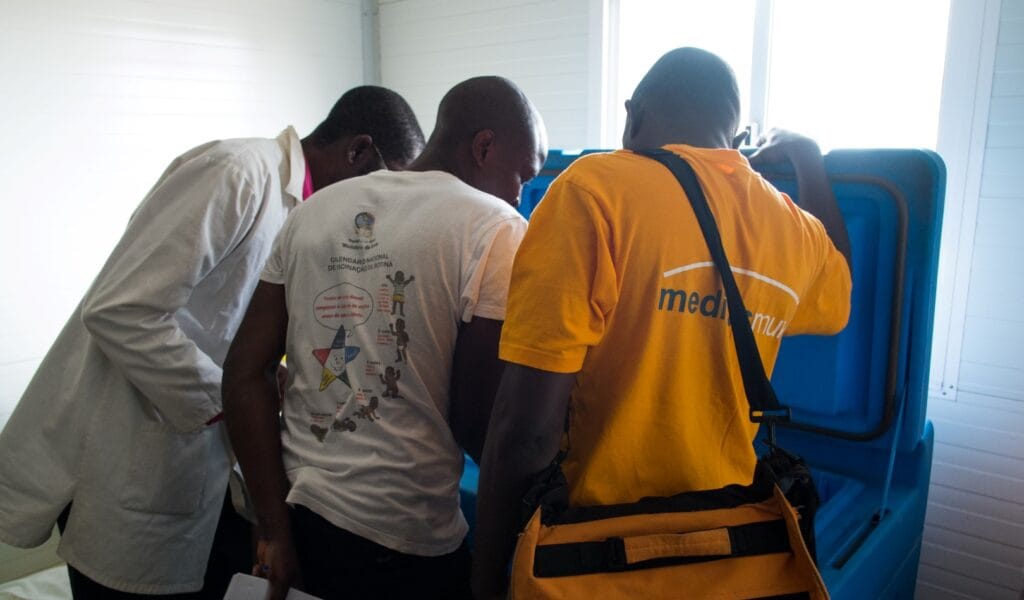
From 2010, three overlapping crises overwhelmed a humanitarian system that was only just testing its 2005 reform: the Haiti earthquake, the Pakistan floods and a major cholera outbreak, once again in Haiti.
Evaluations of the humanitarian responses in these settings exposed flaws and limitations in the system, which was still growing and maturing. The United Nations responded with the IASC's 2011 Transformative Agenda and its ten protocols, an initiative that improved some aspects while leaving others unresolved or even making them worse.
Table of contents:
From the 2010 Haiti earthquake to the Pakistan floods and cholera in Haiti: three overlapping crises
In 2010, an earthquake devastated Port-au-Prince
At 4:53 p.m. on 12 January 2010, a magnitude 7.0 earthquake devastated Port-au-Prince, the capital of Haiti. Around 220,000 people died, although mortality estimates vary enormously (Doocy et al., 2013). The earthquake also left more than 300,000 people injured and destroyed or damaged a vast amount of infrastructure: roads, airports, 190,000 homes, nearly 4,000 schools and 30 hospitals (IHRC, 2011).
Before the earthquake, the country was already living through a chronic crisis, with high exposure to natural disasters, 80% of its population living in extreme poverty, and a life expectancy at birth of just 50 years (Bhattacharjee & Lossio, 2011). 46% of the population could not access healthcare or could not afford its cost (Republic of Haiti, 2013). The Haiti earthquake also had a major impact on the government's capacity to intervene and respond to the crisis, taking the lives of 17% of the civil service and destroying a large number of public buildings.
Humanitarian actors multiplied in Haiti with speed and resources
Although the earthquake also severely affected the NGOs and United Nations agencies already present in the country, the humanitarian response to the disaster was activated quickly. From the very first moment, communities and families mobilised as best they could through the afternoon and into the darkness of night to rescue people alive beneath the rubble. Within 24 hours, rescue and humanitarian assistance efforts had already begun, and the United Nations Disaster Assessment and Coordination team (UNDAC) had been deployed, along with experienced staff from multiple humanitarian organisations, who activated their emergency response mechanisms (Bhattacharjee & Lossio, 2011). Within 48 hours, five humanitarian clusters had already been mobilised. By 72 hours, an urgent appeal (Flash Appeal) had already been made public, based on field staff estimates and satellite imagery (OCHA, 2010a), which was rapidly funded to 100% by donors (Grünewald et al., 2010).
The rapid mobilisation was also possible, in part, thanks to the preparedness measures some humanitarian organisations had taken ahead of the previous year's cyclone season, which had been relatively calm. Although some warehouses and access routes had been destroyed, the needs for food, medicines, shelter and drinking water were soon met using prepositioned supplies. Actors such as MSF, ICRC, MdM and Merlin also mobilised quickly to provide medical care and support the public health services. Between 12 January and 31 March, MSF carried out 11,749 operations and treated 173,757 patients, and the Red Cross a further 95,000 (Grünewald et al., 2010). For many of these humanitarian organisations, this was the largest operation in their history to date (Biquet, 2013). Just 17 days after the earthquake, there were 44 field hospitals with 3,300 beds available (Gerdin et al., 2013).
The rapid mobilisation of actors, however, soon created difficulties. Many international NGOs arrived with very different capacities and, at times, with little knowledge of the context. Some health cluster meetings came to have more than 200 participants, and some organisations complained that 20% of the organisations did all the work while the rest "clogged up" the system. Weaknesses were also identified in the overall leadership of the operation, along with difficulties in coordinating with local authorities and military forces (Arnaouti et al., 2022), and a clear exclusion of the affected population from the design and implementation of the response (Grünewald et al., 2010).
The response was not perfect and numerous evaluations identified important lessons learned (Patrick, 2011), but there is a certain level of consensus that the humanitarian response in this first phase was adequate in its contribution to alleviating the suffering of the affected population (Biquet, 2013). The crisis, however, would remain acute for a long time for the million and a half people who had to shelter in displacement camps. In that transition from the initial humanitarian response to early recovery and reconstruction, however, new challenges emerged. The problems worsened when, at that very moment, a major natural disaster triggered another significant humanitarian crisis on the other side of the world, and above all when a few cholera cases in a rural area of Haiti that initially drew little interest turned into one of the largest known outbreaks of this disease (Biquet, 2013).
The 2010 Pakistan floods overwhelmed local response capacity
The monsoon that began in late July 2010 in Pakistan caused the worst floods in the country's history. More than 1,700 people lost their lives and around 1.8 million homes were severely damaged or destroyed. The humanitarian response plans for this crisis required more than 2 billion dollars to assist more than 20 million people affected by the disaster, 10% of the population (OCHA, 2010b). At the worst point of the flooding, 20% of Pakistan's surface area was submerged under water, an area larger than the whole of England (Murtaza, 2011). The disaster exceeded the national government's disaster preparedness and response capacity (Deen, 2015).
As in Haiti at the start of that same year, the humanitarian system reacted quickly. However, although in this case some major non-traditional donors such as Saudi Arabia and Turkey were also mobilised, humanitarian funding was slower than in previous crises and fell short of adequately covering the needs. Added to this was the fact that many donors could not mobilise funds quickly, having strongly supported the Haiti earthquake crisis. This particularly affected organisations, especially local and national ones, which had no way of mobilising their own resources quickly and were unfamiliar with the procedures for accessing international funding made available by some donors (Polastro et al., 2011).
The review and updating of the response plans were also slow, amid tensions, coordination problems and disagreements between the United Nations and the government of Pakistan over which humanitarian priorities to address and how to do so. The funding request in the joint appeal was the largest in the history of the United Nations, but it lacked a sufficient basis in well-consolidated needs assessments and relegated to the background the early recovery actions following the acute emergency and the assistance to people displaced within the country (Polastro et al., 2011), who had lost their livelihoods (Deen, 2015) and were exposed to serious public health risks (Shabir, 2013).
Within weeks, the humanitarian response to the Pakistan floods became the largest in the history of humanitarian action up to that point and managed to avert a food crisis, high mortality figures and potentially significant disease outbreaks (Shabir, 2013). It was considered positive, but also insufficient, fragmented, slow and too reactive to the challenges and needs that kept arising. Although the government of Pakistan only wanted to activate four clusters and the initial response plan envisaged seven, the UN activated the eleven clusters established in its mechanisms, which proved initially somewhat cumbersome and required time to mature, improve and become effective (Polastro et al., 2011). Although the implementation of the clusters had partially improved since their creation in 2005, they were often used more as a space for exchanging information than as a forum for coordinating assistance under good leadership (Shabir, 2013).
Moreover, a familiar problem once again became evident: insufficient participation of affected communities and individuals, and insufficient accountability (Murtaza, 2011). The scale of the crisis and the breadth of the response also made it difficult to apply Sphere and other humanitarian standards, distinct from those established by the national government; in fact, many of these global standards had to be adapted to the local context (Polastro et al., 2011).
A cholera outbreak once again shook Haiti with great violence
There was still a third major humanitarian crisis to unfold in 2010. On this occasion, moreover, it followed the two major emergencies already mentioned, overlapping with them and competing for attention and human and material resources that were already overstretched and depleted (Binder, 2013).
Although it was estimated to be unlikely that a serious epidemic could occur after the earthquake (Grünewald et al., 2010), in October 2010 a cholera outbreak began in Haiti, just nine months after the Port-au-Prince earthquake, three months after the start of the Pakistan floods, and in the midst of a tense electoral period. In just three months, it caused 209,034 cases and 4,030 deaths (Biquet, 2013).
When the outbreak began, Haiti's Ministry of Health took control of the response, setting aside the health cluster, despite the fact that it had been established for this very purpose. Although the United Nations launched another appeal to fund a coordinated response, the donor response was slow: nine days after its publication, less than 10% of the 164 million dollars requested had been received (UN News, 2010).
At the operational level, the response was no more agile. 80% of patients in the first three months of the epidemic were treated by just two actors, which were not part of the health cluster's coordination system: the Cuban medical brigades and Médecins Sans Frontières (Biquet, 2013). Amid a responsibility diluted among a myriad of actors that were not prepared for something like this, the response on water, sanitation and hygiene priorities was likewise neither agile nor sufficient (Karunakara, 2010). By the time the multi-level, multisectoral response had been more fully activated, cholera was already spreading rapidly across the country. By July 2011, the figures had already reached 419,511 cases and 5,968 deaths (Tappero & Tauxe, 2011).
The reintroduction of cholera in Haiti had severe consequences for more than a decade
By early 2013, more than 8,000 deaths had already been reported and the government launched a National Plan for the Elimination of Cholera (2013-22), which required increasing coverage of access to water, sanitation, hygiene, health promotion and healthcare services (Republic of Haiti, 2013).
It would not be easy. In 2016, the same year the United Nations acknowledged that cholera had entered the country through the Nepalese blue helmets (Pilkington & Quinn, 2016) and without the National Plan's indicators having improved yet, Hurricane Matthew left 1.4 million people in Haiti in need of urgent humanitarian assistance and complicated the fight against cholera (Ivers, 2017). Amid a tense sociopolitical context, it was not possible to mobilise sufficient funding (Rebaudet et al., 2021).
Despite the difficulties, it was possible to sustain and scale up a response strategy centred on case-area targeted interventions (CATI) (Rebaudet et al., 2019) and, from February 2019, no further cases or deaths were reported in this outbreak (Rebaudet et al., 2021), which led to the declaration of its end in 2022. However, cholera would re-emerge in late 2022 and again in 2025, in a context of protracted humanitarian crisis (OCHA, 2025).
A new humanitarian reform after Haiti and Pakistan: the IASC's 2011 Transformative Agenda
A proposal by the United Nations to improve leadership, coordination and accountability in humanitarian action
The analysis of the humanitarian responses to these and other humanitarian crises raised doubts about the way in which the 2005 humanitarian reform had been applied in contexts such as Haiti and about the new cluster system: were the advantages it brought sufficient? Could it be trusted that the reform, still immature, would eventually bear fruit? Was the proposal the solution the system needed to overcome its problems? (Biquet, 2013)
The response from Valerie Amos, the United Nations Emergency Relief Coordinator, and her team at the Inter-Agency Standing Committee (IASC) was to complete the humanitarian reform begun in 2005 with the 2011 Transformative Agenda (IASC, 2012). This was a set of actions to strengthen leadership capacity within the system, improve strategic planning in humanitarian action, strengthen everything relating to needs assessment, monitoring and information management, improve the coordination of the cluster system and improve accountability (IASC, n.d.).
The 2012 and 2013 Transformative Agenda protocols
The fundamental component of the 2011 Transformative Agenda was a series of ten protocols that were initially published between 2012 and 2013 and that, after being piloted, became the normative basis of the new proposal (IASC, n.d.).
Many of these protocols, since their publication or after successive updates, have become key tools for the activation and coordination of humanitarian responses. Some of the procedures and policies that were put forward were:
- The system for large-scale activation of the humanitarian system in the event of an emergency.
- The manual for the implementation and coordination of humanitarian clusters at the national level.
- The IASC operational framework for accountability in humanitarian action.
- A framework for emergency preparedness, under the umbrella of disaster risk management.
- The guidance for carrying out rapid multisectoral needs assessments in a coordinated manner in the early stages of a humanitarian emergency, which makes it possible to produce documents that over time would become essential and widely used: the Humanitarian Needs Overviews.
- The humanitarian programme cycle, which translates the logic of the humanitarian project cycle into an overview of the global, coordinated humanitarian response in a crisis, making it possible to use the information from needs assessments to design a Humanitarian Response Plan and its subsequent resource mobilisation, implementation, monitoring and evaluation.
Was the system now better prepared for an effective humanitarian response?
The Transformative Agenda addressed some problems but did not solve everything it set out to
The Transformative Agenda gave rise to improvements in the way humanitarian responses were coordinated and led, but always with limitations:
- The initiative was key to bringing about a faster deployment of well-trained Humanitarian Coordinators, with a solid induction on their roles and responsibilities and greater autonomy in decision-making. However, at the same time, OCHA's headquarters imposed stricter control over the use of funds, agencies were reluctant to place their best staff in humanitarian coordination positions, and cluster leads often represented mainly the interests of their own United Nations agency rather than those of the cluster as a whole (Krueger et al., 2016).
- Overall, humanitarian coordination improved at the global level. The tools of the new humanitarian programme cycle also contributed to this, such as the rapid multisectoral needs assessments, the humanitarian needs overviews and the humanitarian response plans, which became key products on which efforts had to be concentrated. At the same time, however, this increased the complexity of the processes and the workload of staff, without the products really influencing decision-making on which programmes to implement (Krueger et al., 2016).
- Accountability between organisations was strengthened, especially from the United Nations agencies that were part of the Humanitarian Country Team (HCT) to the Humanitarian Coordinator. However, these changes barely involved donors and NGOs, nor did they translate into an improvement in the monitoring of the results achieved through the humanitarian response (Krueger et al., 2016).
Moreover, the Transformative Agenda left important problems unaddressed and created or aggravated new ones
The great unfulfilled promise of the Transformative Agenda was related to improving accountability to the populations affected by humanitarian crises (ICVA, 2013). Despite the newly published global framework, it was not applied and did not translate into local action plans to that end. Nor was there progress on the commitment to increase the humanitarian preparedness and response capacity of local actors (Krueger et al., 2016).
It was not only local actors who were left on the margins of the Transformative Agenda. Many international NGOs complained about the lack of transparency of an initiative that ran from the top down, and that it created no formal mechanisms or obligations to improve the dialogue and collaboration of the United Nations agencies with them, that the concerns expressed by NGOs in the consultations that were carried out were not taken into account, and that the IASC had not sufficiently involved international and national NGOs (Dyukova & Chetcuti, 2014). There was concern, therefore, that the result would be a reform of the UN for the UN, within a system that increasingly centralised power, resources and decisions in the United Nations agencies (ICVA, 2013).
Another major element was left out of the Transformative Agenda: humanitarian funding. Although multiple donors were included in the discussions and reflection, the initiative did not seek to advance the good humanitarian funding practices proposed years earlier (Krueger et al., 2016).
The humanitarian system grew and developed beyond the system and reform promoted by the United Nations
The humanitarian system was increasingly defined by the asymmetry in the power relations between the different humanitarian actors and the way in which the system was consolidating its structure and funding. Market logic thus permeated the ideology of humanitarianism, with people affected by the crisis "consuming" services purchased by a third party, generating an industry that was growing and expanding (Collinson, 2016).
In parallel, important initiatives driven by many and very diverse humanitarian organisations were also growing and evolving. Adherence to the four humanitarian principles was becoming an operational requirement for participating in the IASC's humanitarian coordination mechanisms; the use of the Sphere Handbook was being updated and extended, while at the same time multiple accountability and quality standards for humanitarian programmes were being consolidated into one: the Core Humanitarian Standard, published in 2014. New alliances of NGOs were also being born, such as the Consortium of British Humanitarian Agencies (Lowrie & Hounjet, 2011), the precursor of today's Start Network, with more than 134 local and international NGOs, while others were consolidating and growing, such as the CALP Network (for the use of cash transfers in humanitarian action) or IATI (International Aid Transparency Initiative).
New crises such as those of Ebola in West Africa or the emergencies in Yemen, Syria and South Sudan would test the capacity of the humanitarian system, its weaknesses and its internal power imbalances in the years that followed, while new reforms would be proposed, such as the Grand Bargain.
References
- Arnaouti, M. K. C., Cahill, G., Baird, M. D., Mangurat, L., Harris, R., Edme, L. P. P., Joseph, M. N., Worlton, T., Augustin, S., Jr., & The Haiti Disaster Response — Junior Research Collaborative. (2022). Medical disaster response: A critical analysis of the 2010 Haiti earthquake. Frontiers in Public Health, 10, 995595. https://doi.org/10.3389/fpubh.2022.995595
- Bhattacharjee, A., & Lossio, R. (2011). Evaluation of OCHA response to the Haiti earthquake: Final report. Office for the Coordination of Humanitarian Affairs. https://alnap.org/help-library/resources/evaluationofocharesponsetothehaitiearthquake/
- Biquet, J.-M. (2013). Haiti: Between emergency and reconstruction — An inadequate response. International Development Policy | Revue internationale de politique de développement, 4(3). https://doi.org/10.4000/poldev.1600
- Binder, A. (2013). Is the humanitarian failure in Haiti a system failure? A comment on Jean-Marc Biquet’s critique «Haiti: Between emergency and reconstruction. An inadequate response». International Development Policy | Revue internationale de politique de développement, 4(3). https://doi.org/10.4000/poldev.1625
- Collinson, S. (2016). Constructive deconstruction: Making sense of the international humanitarian system (HPG Working Paper). Overseas Development Institute. https://odi.org/en/publications/constructive-deconstruction-making-sense-of-the-international-humanitarian-system/
- Deen, S. (2015). Pakistan 2010 floods: Policy gaps in disaster preparedness and response. International Journal of Disaster Risk Reduction, 12, 341–349. https://doi.org/10.1016/j.ijdrr.2015.03.007
- Doocy, S., Cherewick, M., & Kirsch, T. (2013). Mortality following the Haitian earthquake of 2010: A stratified cluster survey. Population Health Metrics, 11(1), 5. https://doi.org/10.1186/1478-7954-11-5
- Dyukova, Y., & Chetcuti, P. (2014). ACF International and the transformative agenda. Action Contre la Faim. https://www.actioncontrelafaim.org/en/news/publication/rapport-transformative-agenda/
- Gerdin, M., Wladis, A., & von Schreeb, J. (2013). Foreign field hospitals after the 2010 Haiti earthquake: How good were we? Emergency Medicine Journal, 30(1), e8. https://emj.bmj.com/content/30/1/e8
- Grünewald, F., Binder, A., & Georges, Y. (2010). Inter-agency real-time evaluation in Haiti: 3 months after the earthquake. Global Public Policy Institute, Groupe URD. https://reliefweb.int/report/haiti/inter-agency-real-time-evaluation-haiti-3-months-after-earthquake
- Inter-Agency Standing Committee. (2012). IASC Transformative Agenda: Chapeau and compendium of reference documents. https://interagencystandingcommittee.org/iasc-transformative-agenda/documents-public/chapeau-and-compendium
- Inter-Agency Standing Committee. (n.d.). IASC transformative agenda. Retrieved July 16, 2026, from https://interagencystandingcommittee.org/iasc-transformative-agenda
- Interim Haiti Recovery Commission. (2011, January 12). Haiti one year later: The progress to date and the path forward. https://reliefweb.int/report/haiti/haiti-one-year-later-progress-date-and-path-forward
- International Council of Voluntary Agencies. (2013). From humanitarian reform to the transformative agenda: NGO voices, November 2011 – April 2013. https://reliefweb.int/report/c-te-divoire/humanitarian-reform-transformative-agenda-ngo-voices-november-2011-april-2013
- Ivers, L. C. (2017). Eliminating cholera transmission in Haiti. New England Journal of Medicine, 376(2), 101–103. https://doi.org/10.1056/NEJMp1614104
- Karunakara, U. (2010, December 28). Haiti: Where aid failed. The Guardian. https://www.theguardian.com/commentisfree/2010/dec/28/haiti-cholera-earthquake-aid-agencies-failure
- Krueger, S., Derzsi-Horvath, A., & Steets, J. (2016). IASC transformative agenda: A review of reviews and their follow-up. Global Public Policy Institute. https://gppi.net/2016/02/05/iasc-transformative-agenda-a-review-of-reviews-and-their-follow-up
- Lowrie, S., & Hounjet, M. (2011, May 9). The Consortium of British Humanitarian Agencies: A new initiative for NGO collaboration. Humanitarian Exchange, 50. Humanitarian Practice Network. https://odihpn.org/en/publication/the-consortium-of-british-humanitarian-agencies-a-new-initiative-for-ngo-collaboration/
- Murtaza, N. (2011). Pakistan floods 2010: Evaluation of the relief phase of the International Federation of Red Cross Red Crescent Societies / Pakistan Red Crescent Society monsoon flash floods operation. International Federation of Red Cross and Red Crescent Societies. https://www.ifrc.org/docs/Evaluations/Evaluations2011/Asia%20Pacific/PKFloods2010.pdf
- Patrick, J. (2011). Haiti earthquake response: Emerging evaluation lessons. Department for International Development. https://alnap.org/help-library/resources/haiti-earthquake-response-emerging-evaluation-lessons/
- Pilkington, E., & Quinn, B. (2016, December 1). UN admits for first time that peacekeepers brought cholera to Haiti. The Guardian. https://www.theguardian.com/global-development/2016/dec/01/haiti-cholera-outbreak-stain-on-reputation-un-says
- Polastro, R., Nagrah, A., Steen, N., & Zafar, F. (2011). Inter-agency real time evaluation of the humanitarian response to Pakistan’s 2010 flood crisis. DARA. https://reliefweb.int/report/pakistan/inter%E2%80%90agency-real-time-evaluation-humanitarian-response-pakistan%E2%80%99s-2010-flood-crisis
- Rebaudet, S., Bulit, G., Gaudart, J., Michel, E., Gazin, P., Evers, C., Beaulieu, S., Aruna Abedi, A., Osei, L., Barrais, R., Pierre, K., Moore, S., Boncy, J., Adrien, P., Duperval Guillaume, F., Beigbeder, E., & Piarroux, R. (2019). The case-area targeted rapid response strategy to control cholera in Haiti: A four-year implementation study. PLOS Neglected Tropical Diseases, 13(4), e0007263. https://doi.org/10.1371/journal.pntd.0007263
- Rebaudet, S., Dély, P., Boncy, J., Henrys, J., & Piarroux, R. (2021). Toward cholera elimination, Haiti. Emerging Infectious Diseases, 27(11), 2932–2936. https://doi.org/10.3201/eid2711.203372
- Republic of Haiti. (2013). National plan for the elimination of cholera in Haiti 2013–2022. Ministry of Public Health and Population & National Directorate for Water Supply and Sanitation. https://www.paho.org/sites/default/files/cholera-haiti-nat-plan-elim-2013-2022.pdf
- Shabir, O. (2013, April 11). A summary case report on the health impacts and response to the Pakistan floods of 2010. PLOS Currents Disasters. https://currents.plos.org/disasters/article/dis-13-0009-a-summary-case-report-on-the-health-impacts-and-response-to-the-pakistan-floods-of-2010/
- Tappero, J. W., & Tauxe, R. V. (2011). Lessons learned during public health response to cholera epidemic in Haiti and the Dominican Republic. Emerging Infectious Diseases, 17(11), 2087–2093. https://doi.org/10.3201/eid1711.110827
- United Nations News. (2010, November 21). Haiti: UN official concerned over slow funding response to cholera appeal. https://news.un.org/en/story/2010/11/359632
- United Nations Office for the Coordination of Humanitarian Affairs. (2010a). Haiti earthquake 2010 flash appeal (Version 1.1, 16 January 2010). https://digitallibrary.un.org/record/675785?v=pdf
- United Nations Office for the Coordination of Humanitarian Affairs. (2010b). Pakistan floods emergency response plan, revision, September 2010. https://www.unocha.org/publications/report/pakistan/pakistan-floods-emergency-response-plan-revision-september-2010
- United Nations Office for the Coordination of Humanitarian Affairs. (2025). Haiti: 2026 humanitarian needs and response plan — Executive summary. https://reliefweb.int/report/haiti/haiti-2026-humanitarian-needs-and-response-plan-executive-summary-december-2025
NotebookLM
You can review my bibliographic references on Haiti, Pakistan and the 2011 Transformative Agenda with this Gemini Notebook, an AI-powered research assistant. Want to know more?
How to cite this page
Abarca, B. (August 27, 2026). Haiti, Pakistan and the 2011 Transformative Agenda. Salud Everywhere. https://saludeverywhere.com/en/humanitarian-aid-and-international-development/haiti-pakistan-2011-transformative-agenda/